Over 60s Quality of Life
"Maximise Your Healthspan and reduce All-Cause Mortality with Medicine 3.0. Remain powerful, capable, and independent into your 90s!"
The Over 60s QoL Guys
Over 60s Quality of Life
Welcome to The OVER 60s QoL Guys—the definitive resource for maintaining your quality of life. We embrace 'Medicine 3.0', a proactive, long-term approach to preventing chronic illness. Our mission is reducing your All-Cause Mortality (ACM) to maximise your Healthspan. By prioritising Maximal Oxygen Uptake (VO2 Max) and Fast-Twitch (Type II) muscle fibres, we ensure you remain powerful enough to respond during your 'Marginal Decade'.
The Benefits of the Over 60s QoL Programme
The objective is not merely to extend your Lifespan, but to enhance your Healthspan – preserving your ability to live independently, think clearly, move confidently, and continue enjoying the people, passions, and purposes that make life worth living.Stay Independent for Longer
One of the greatest fears associated with ageing is losing independence. The Over 60s QoL programme is designed to help you maintain the strength, balance, mobility, and confidence needed to continue living life on your own terms. The goal is to remain capable, self-reliant, and actively engaged in everyday activities for as long as possible.
Add Life to Your Years
Longevity is not simply about reaching an advanced age; it is about enjoying those years with energy, purpose, and vitality. By focusing on Healthspan as well as Lifespan, the programme helps you maximise the quality of your later years, enabling you to participate more fully in the things and people you love.
Reduce the Risk of Age-Related Decline
Many aspects of ageing are influenced by lifestyle choices. Through a structured focus on exercise, nutrition, habit formation, mental wellbeing, and regular measurement, the programme aims to reduce the risk of falls, frailty, chronic disease, and functional decline, helping you remain healthier for longer.
Build a Stronger Body and Mind
Physical health and mental wellbeing are closely connected. The programme promotes functional strength, cardiorespiratory fitness, brain health, emotional resilience, and lifelong learning. Together, these pillars help participants develop the physical capability and mental sharpness needed to navigate the challenges and opportunities of later life.Benefit from Encouragement and Accountability
Meaningful change is often easier when undertaken alongside others. Through accountability partners and supportive communities, participants are encouraged to celebrate progress, overcome setbacks, and remain consistent in their efforts. The journey towards better health becomes more enjoyable, sustainable, and socially connected.
Gain a Clear Roadmap for Healthy Ageing
The Over 60s QoL programme provides a practical, evidence-informed framework for improving wellbeing through its ten interconnected pillars. Rather than relying on fad diets or quick fixes, participants receive guidance that is simple, measurable, and actionable, empowering them to make steady progress towards a longer, healthier, and more fulfilling life.
Lifespan verus Healthspan
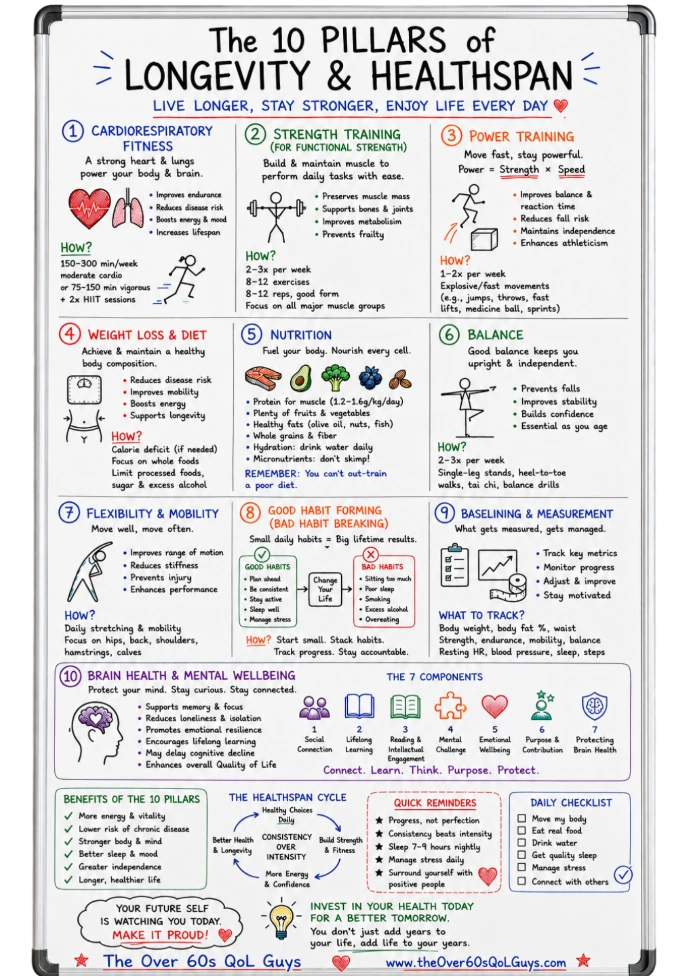
Longevity & Healthspan
10 Pillars. 1 Goal: A Longer, Healthier, Happier You
The journey to a longer, healthier life is not built on a single breakthrough or quick fix, but on consistently strengthening the foundations that support lifelong vitality. This infographic highlights the ten essential pillars of Longevity & Healthspan, including cardiorespiratory fitness, functional strength, power, nutrition, healthy body composition, balance, mobility, positive habit formation, along with brain health and mental wellbeing, and the importance of tracking meaningful health metrics.
Together, these elements work synergistically to help you maintain independence, reduce the risk of chronic disease, improve quality of life, and add life to your years. Whether you are just beginning your health journey or looking to optimise your current approach, this visual guide provides a practical framework for staying capable at every stage of life.
Be sure to download the complimentary PDF version for easy reference, sharing, and ongoing motivation.
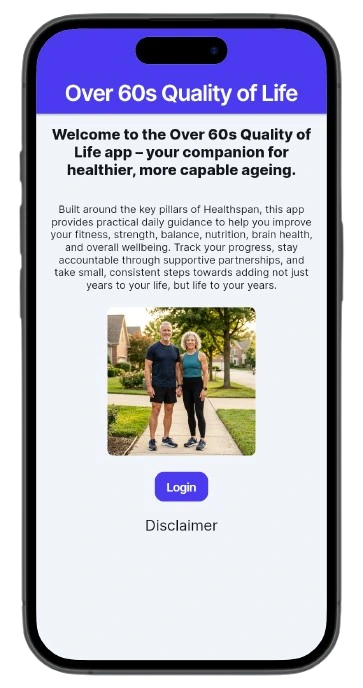
>60sQoL Smartphone App coming soon . . .
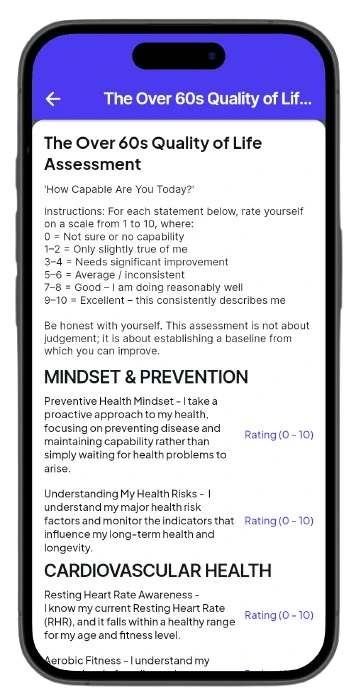
The '>60sQoL' smartphone app is coming soon!
- Health Information at your Fingertips
- Daily Training Exercises on your Smartphone
- Daily Training Programmes
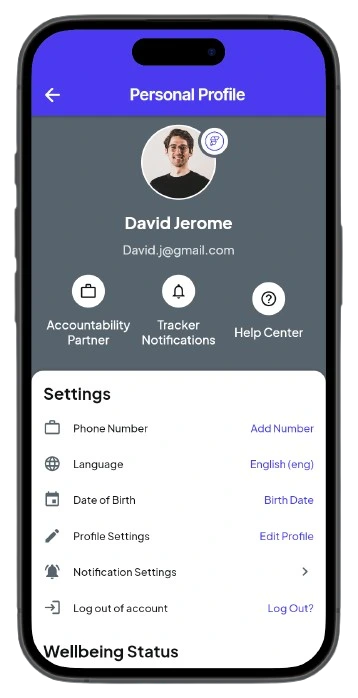
- Accountability Partner feature
The Power of Accountability Partners
Healthy ageing is rarely achieved in isolation. Research consistently shows that people are more likely to adopt positive habits, remain committed to their goals, and sustain lifestyle changes when they have the support and encouragement of others. An accountability partner – or even a small group of accountability partners – provides motivation during difficult seasons, celebrates progress during successful ones, and offers gentle encouragement when consistency begins to waver. By regularly sharing updates on each of the Ten Pillars of Healthspan, such as exercise, nutrition, mobility, sleep, brain health and mental wellness, and habit formation, partners create a culture of mutual support and shared purpose.
Accountability is not about judgement or perfection; it is about helping one another stay focused on what matters most. Together, we can achieve more than we ever could alone. Because when it comes to building a longer, healthier, more capable life, the journey is always better when travelled with others.
Your Healthspan above all . . .
This is my personal commitment to you:
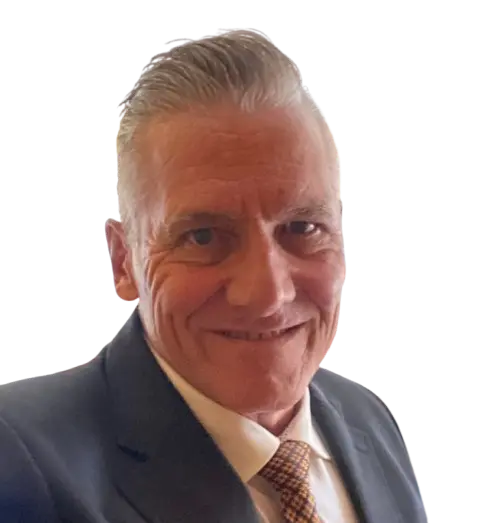
Turning 60 isn't the beginning of the end. It can be the beginning of a deliberate, purposeful commitment to living the next decades with greater health, vitality, and joy than ever before.
John Comley
The X Guys - Chief Executive Officer
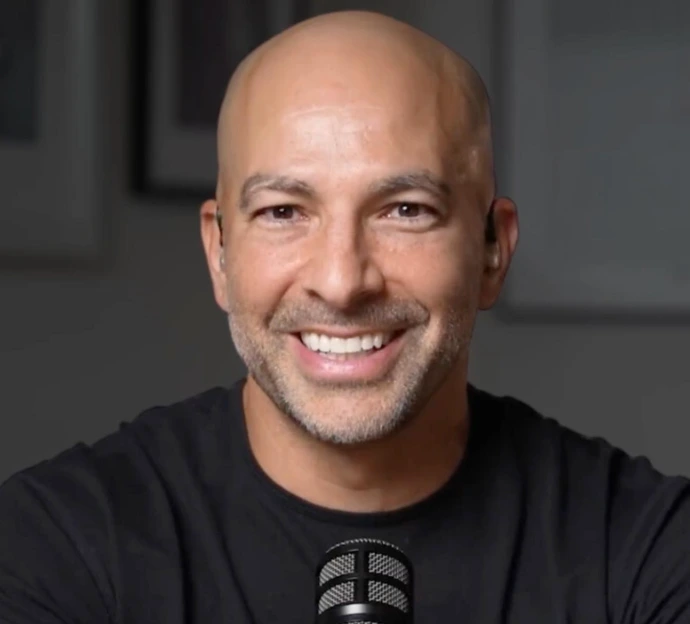
Listen to what Dr. Peter Attia has to say . . .
Dr. Peter Attia is a Canadian-American physician, author, and internationally recognised expert in the Science of Longevity and Healthspan. He earned his medical degree from the Stanford University School of Medicine and completed five years of surgical residency training at the Johns Hopkins Hospital before pursuing research at the National Institutes of Health. Dr. Attia is the founder of Early Medical, a medical practice focused on extending Healthspan through preventive, personalised medicine. He is also the author of the bestselling Outlive: The Science and Art of Longevity and host of The Drive podcast. His work emphasises proactive strategies to reduce the risk of chronic disease while preserving physical capability, cognitive function, and Quality of Life well into older age.
The Longevity Toolkit: Peter Attia’s 5 Tactics to Improve Longevity
Exercise & longevity – How to start a safe and effective fitness routine for long-term health.
Why sleep is essential for a longer life – The impact of sleep quality on aging and disease prevention.
Do sleep supplements actually work? – The truth about melatonin and other sleep aids.
Emotional health & longevity – Why mental well-being is just as important as physical health for a long, fulfilling life.
Download the PDF Summary
Dr. Peter Attia on how to make your final decade of life as enjoyable as possible
Dr. Peter Attia is focused on the marginal decade, the final 10 years of someone's life. He's developed a 'Medicine 3.0' framework to help his patients delay the onset of chronic disease later in life.
Download the PDF Summary
Exercising for longevity: strength, stability, zone 2, zone 5, and more
In this special episode of The Drive, we have pulled together a variety of clips from previous podcasts about exercise to help listeners understand this topic more deeply, as well as to identify previous episodes which may be of interest. In this episode, Peter discusses his framework for exercise, what he’s really optimizing for, and how to train today to be prepared for a good life at age 100. He describes the importance of strength and stability, and why deadlifting is an important tool to consider for longevity. Additionally, he details why training in zone 2 and zone 5 is important, gives a primer on VO2 max, and describes the most effective ways to engage in those types of exercise. Finally, Peter reveals his current exercise routine.
The Four Horsemen of Chronic Disease
- Cardiovascular Disease (heart attacks, strokes, heart failure, etc.)
- Cancer
- Neurodegenerative Disease (including Alzheimer's disease and other forms of dementia)
- Metabolic Disease (particularly Type 2 Diabetes and its complications)
While the exact figure varies slightly by country and year, these four conditions account for the vast majority of deaths in developed nations, a reasonable estimate is that 80–90% of deaths in high-income countries can be attributed, directly or indirectly, to the Four Horsemen of Chronic Disease.
This is why Dr. Attia argues that the goal of longevity medicine should be to delay the onset of the Four Horsemen by as long as possible.
Cardiovascular Disease
- Heart attacks
- Coronary artery disease
- Stroke
- Other forms of atherosclerotic disease
Metabolic Dysfunction
- Hyperinsulinemia
- Insulin resistance
- Fatty liver disease
- Pre-diabetes
- Type 2 diabetes
Neurodegenerative Disease
- Alzheimer's disease
Cancer
- It often develops silently
- Detection frequently occurs late
- Treatment becomes more difficult as disease progresses
In other words . . . the same habits that extend Healthspan are also the habits that reduce the risk posed by the Four Horsemen.
Although everyone eventually dies, approximately 80% of older adults succumb to one or more of the Four Horsemen of Chronic Disease – cardiovascular disease, cancer, neurodegenerative disease, and metabolic disease. The encouraging news is that many of the lifestyle factors influencing these conditions remain modifiable. By focusing on the pillars of Healthspan, we can help delay their onset, preserve independence, and add life to our years.
The objective is not merely to live longer . . . it is to arrive at the finish line having lived well.
Frequently Asked Questions
Here are some common questions about Over 60s QoL.
'Medicine 2.0' is the traditional reactive model that focuses on treating a disease only after it has become present, which is often less effective for long-term vitality. In contrast, 'Medicine 3.0' takes a much longer arc on the prevention of chronic conditions such as Type 2 Diabetes (T2D), dementia, and heart disease. The goal is to 'maximise' your physical and cognitive capacity well before decline begins.
All-Cause Mortality (ACM) refers to the overall likelihood of death from any cause combined during a specific period. Rather than focusing on a single illness, ACM is the ultimate metric for longevity because it measures the net effect of your lifestyle habits on survival. Reducing your ACM risk is the primary objective of a proactive health programme.
Lifespan is simply the total number of years you are alive, whereas Healthspan refers to the period of life spent in good health and functional independence. We aim to extend your healthspan so that your final years are lived with vitality rather than chronic illness. Our focus is on 'optimising' the quality of those years.
The 'Marginal Decade' refers to the final ten years of your life. During this period, many individuals experience a rapid decline, often falling to just 50 per cent of their previous physical and cognitive capacity. We train specifically to ensure this decade is defined by independence and movement rather than a fall into frailty.
Sarcopenia is the age-related, progressive loss of skeletal muscle mass, strength, and function. It begins as early as age 30 but accelerates significantly after 60, leading to a higher risk of falls and loss of independence. Maintaining muscle is vital because it acts as your body's primary 'metabolic organ'.
Whilst strength is the ability to produce force, Power is the ability to produce that force quickly. Research shows that muscle power declines much more rapidly than strength as we age. Preserving power is essential for survival because it provides the 'speed' required to catch yourself if you trip or stumble.
Fast-Twitch (Type II) muscle fibres are your body's 'emergency response team'. They generate high force rapidly but fatigue more quickly than slow-twitch fibres. Because these fibres shrink disproportionately with age, they must be specifically targeted through explosive movements to prevent accidents.
Maximal Oxygen Uptake (VO2 Max) measures the maximum amount of oxygen your body can absorb and use during intense exercise. You should think of it as your body's 'aerobic horsepower' or the size of your cardiovascular engine. It is one of the strongest clinical predictors of overall longevity and reduced ACM.
Visceral fat is the dangerous fat that surrounds your internal organs rather than sitting just under the skin. Excess visceral fat doubles the risk of early mortality because it contributes to systemic inflammation and insulin resistance. Minimising this fat is a top priority for 'rationalising' your metabolic health.
Insulin is the body's primary 'fat-storage hormone'. If insulin levels remain high due to frequent eating or the consumption of processed carbohydrates, your body is biologically blocked from accessing stored fat for fuel. To lose weight effectively, you must lower insulin through diet and tools like Intermittent Fasting (IF).
Autophagy is a natural cellular process that acts as the body's way of 'taking out the trash'. During autophagy, your system clears out damaged proteins, worn-out mitochondria, and other cellular debris. This process is essential for long-term cellular health and can be triggered by fasting and vigorous exercise.
A simple and effective metric is the Waist-to-Height Ratio (WtHR), where you aim to keep your waist circumference less than half your height. Another tool is the Dr. Boz Ratio, which measures the relationship between blood glucose and ketones to determine if you are in a state of Ketosis. These benchmarks help you 'organise' your progress.
The 'Big 5' are compound movements that provide the highest return for maintaining functional independence. They include squats for 'sit-to-stand' ability, modified push-ups, glute bridges, reverse lunges, and bent-over rows. These exercises target the major muscle groups and the 'Posterior Chain' (PC).
Fall prevention requires retraining the nervous system through a combination of static balance, such as standing on one leg, and 'reactive' training. Strengthening your glutes and hamstrings is vital, as they act as the engine for stability. Mastering the 'Floor Get-Up' without using your hands is a key benchmark for independence.
The Lymphatic System is a sophisticated drainage and filtration network that maintains fluid balance and supports immune defence. Unlike the circulatory system, it has no central pump and relies entirely on muscle contractions and deep breathing to move fluid. Regular movement is required to prevent this system from becoming 'sluggish' or clogged.
Fascia is a continuous web of connective tissue that surrounds every muscle and organ in your body. It acts as the 'piping' for your lymphatic vessels. If fascia becomes tight or dehydrated, it can physically impinge on these vessels, reducing your body's drainage capacity by up to 90 per cent.
Guidelines recommend at least 150 to 300 minutes of moderate-intensity aerobic activity per week. This can include brisk walking, cycling, or swimming to build your 'aerobic base'. Improving your fitness, even modestly, provides a meaningful reduction in your overall mortality risk.
High-Intensity Interval Training (HIIT) involves short bursts of vigorous effort interspersed with periods of recovery. It is a highly efficient way to improve your VO2 Max and mitochondrial function compared to steady-state exercise. A popular protocol for the over 60s is the Norwegian 4x4, which uses four-minute intervals.
Grip Strength is a surprisingly powerful clinical predictor of overall health and lifespan. It connects directly to your nervous system and indicates the functional resilience of your entire musculoskeletal system. Exercises like 'Dead Hangs' or 'Farmer's Carries' are excellent ways to build this capability.
You should 'rationalise' your training by measuring physical benchmarks like the number of push-ups you can do in two minutes or how long you can stand on one leg. For men in their 60s, the goal is 45 repetitions for push-ups and 30 seconds for the single-leg stand. Consistent measurement ensures you remain powerful enough to respond to the demands of life.
While certain changes in processing speed and memory can occur with age, significant cognitive decline is not an inevitable consequence of getting older. Research increasingly suggests that many lifestyle factors influence long-term brain health. Regular physical activity, lifelong learning, reading, social engagement, quality sleep, stress management, and maintaining strong cardiovascular health may all contribute to preserving cognitive function and reducing the risk of mental deterioration. It is also important to address factors such as hearing loss, social isolation, smoking, excessive alcohol consumption, and unmanaged medical conditions, all of which can negatively impact brain health. At The Over 60s QoL Guys, we believe that staying mentally active, socially connected, and purposefully engaged can help you enjoy a sharper mind and a richer Quality of Life for years to come.
Sign-Up for the FREE GUIDE!
Fill in this form and we will email you the Over 60s QoL FREE Guide!